Kyoto (Honshu), Japan: resetting the benchmark

15-18.04 Kyoto: the new standard for comparison.

So who knows Kyoto? I didn’t, really. The name only rang a bell because of the ‘Kyoto Protocol’, the global treaty for reduction of greenhouse gas, signed in 1997. It is a key milestone for the world, although the treaty didn’t get in force until many years later and ongoing outflanking movements by specific countries.

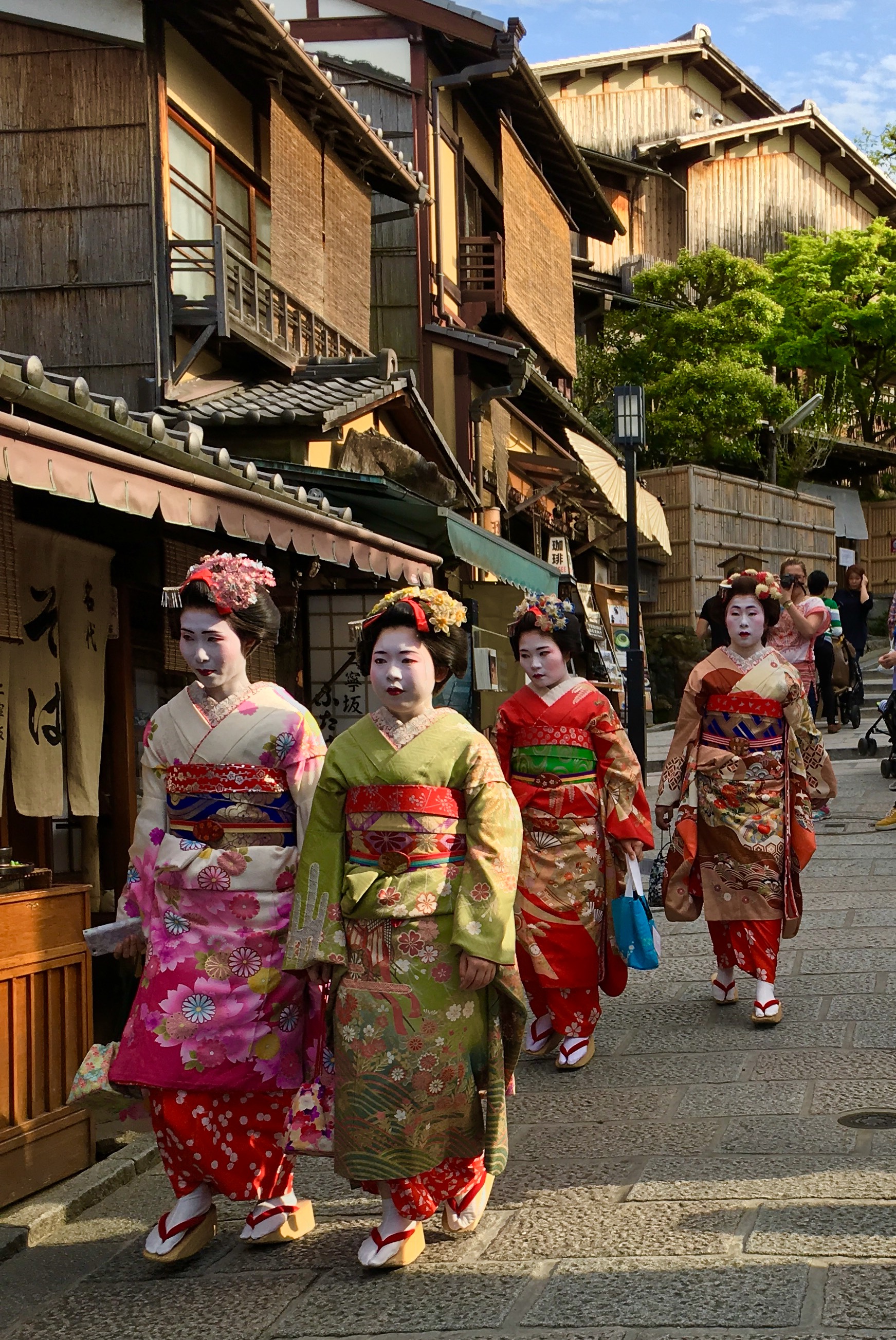
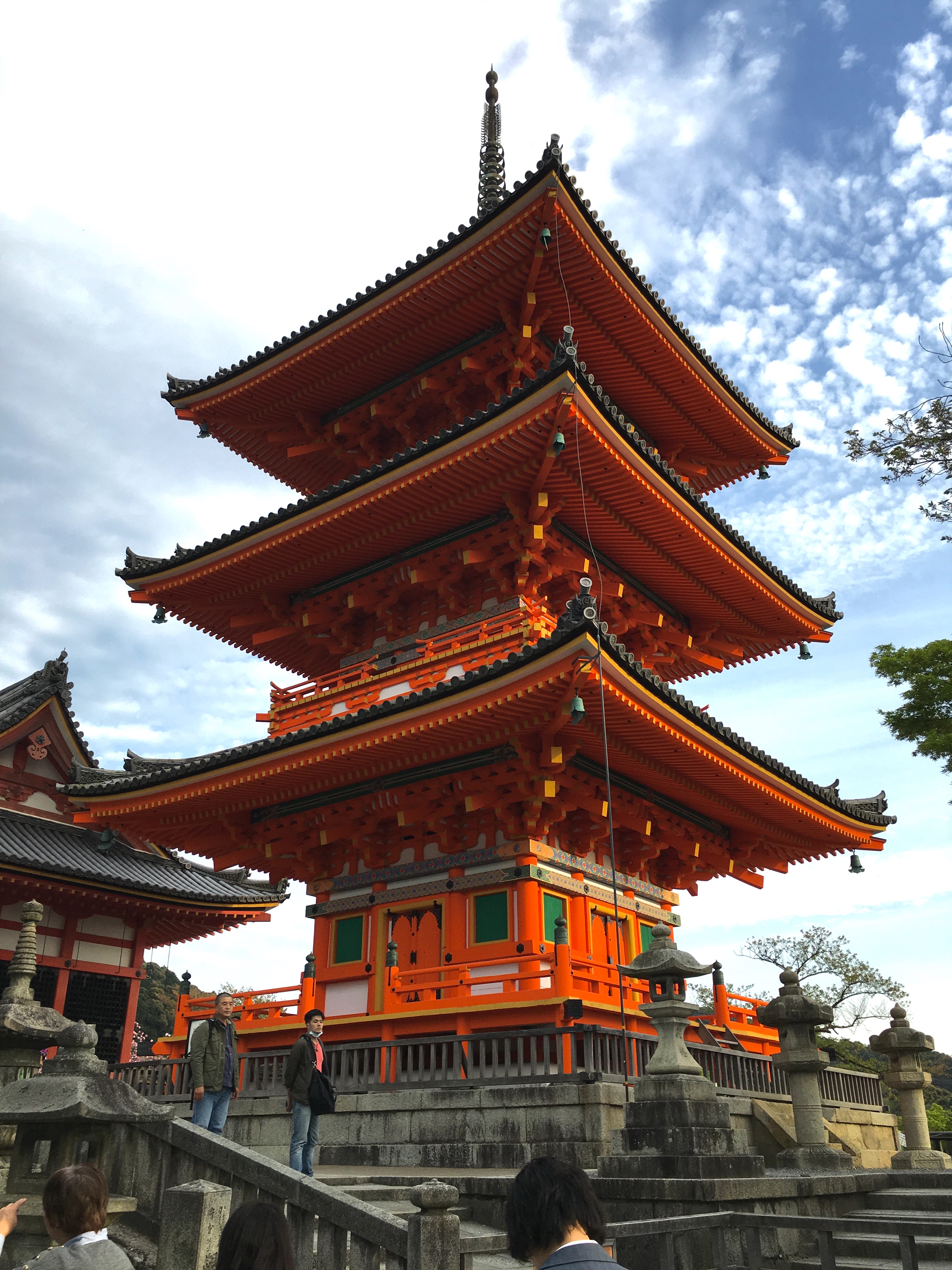
I now understand why Kyoto was chosen as location for the ceremony. I know I have been excited about several places that I visited on my tour but Kyoto forced me to normalise all scores given so far. The city is arresting in the purest sense of the word; it is striking, dramatic, imposing, spectacular, dazzling, sensational, astonishing, etc. Good luck to the RotW (Rest of the World) to beat this new benchmark!
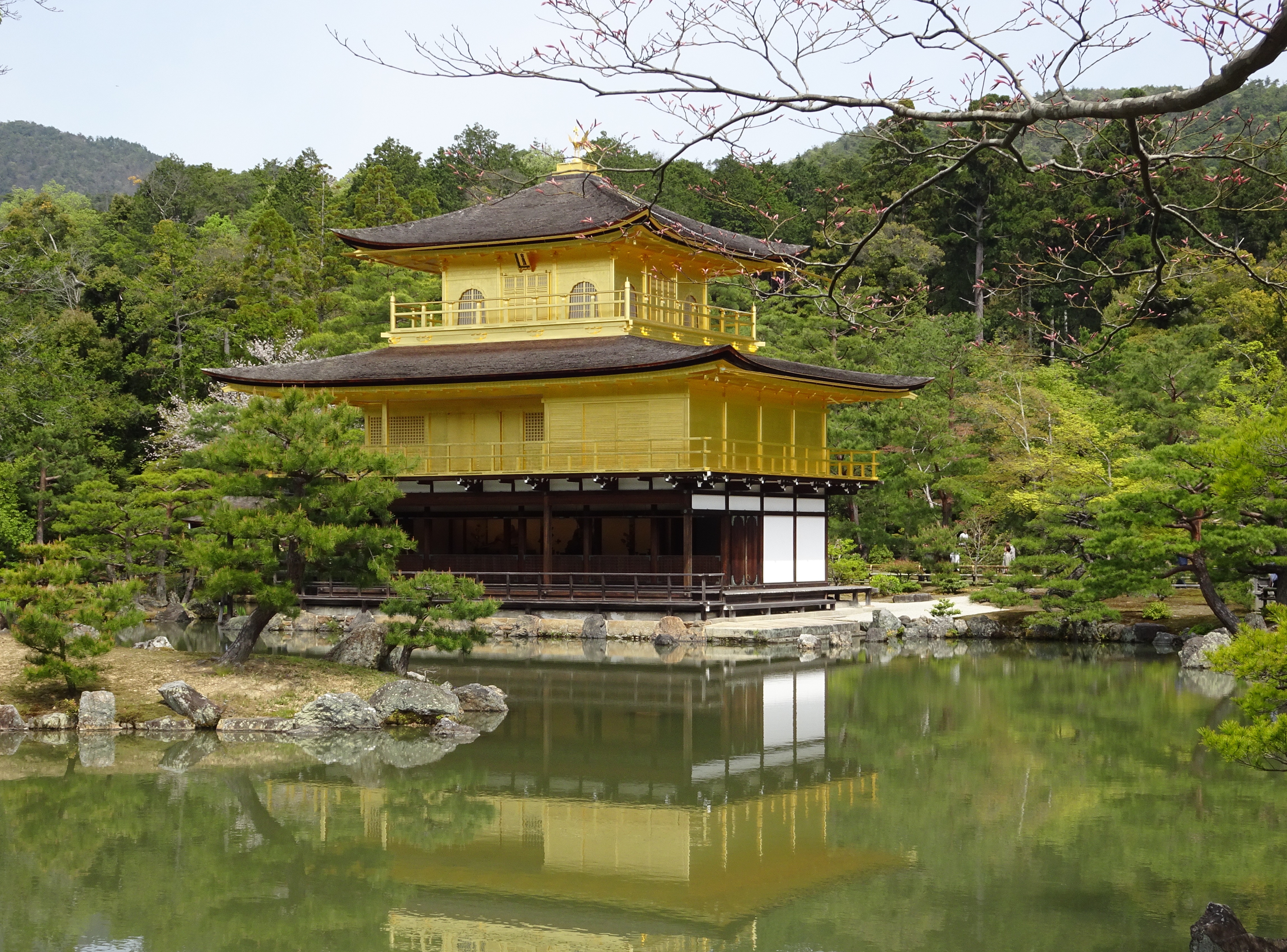
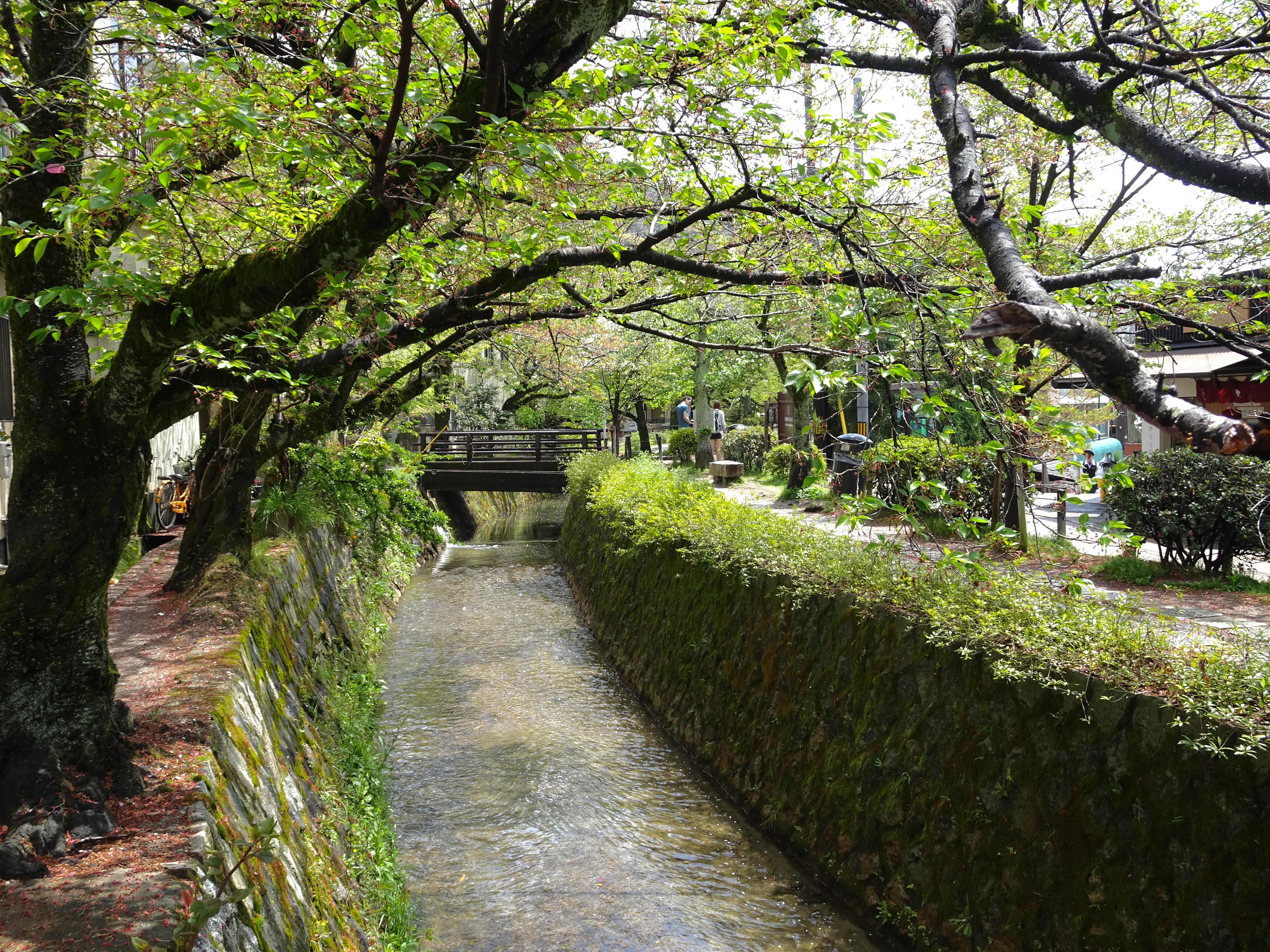
imageimage   image   image

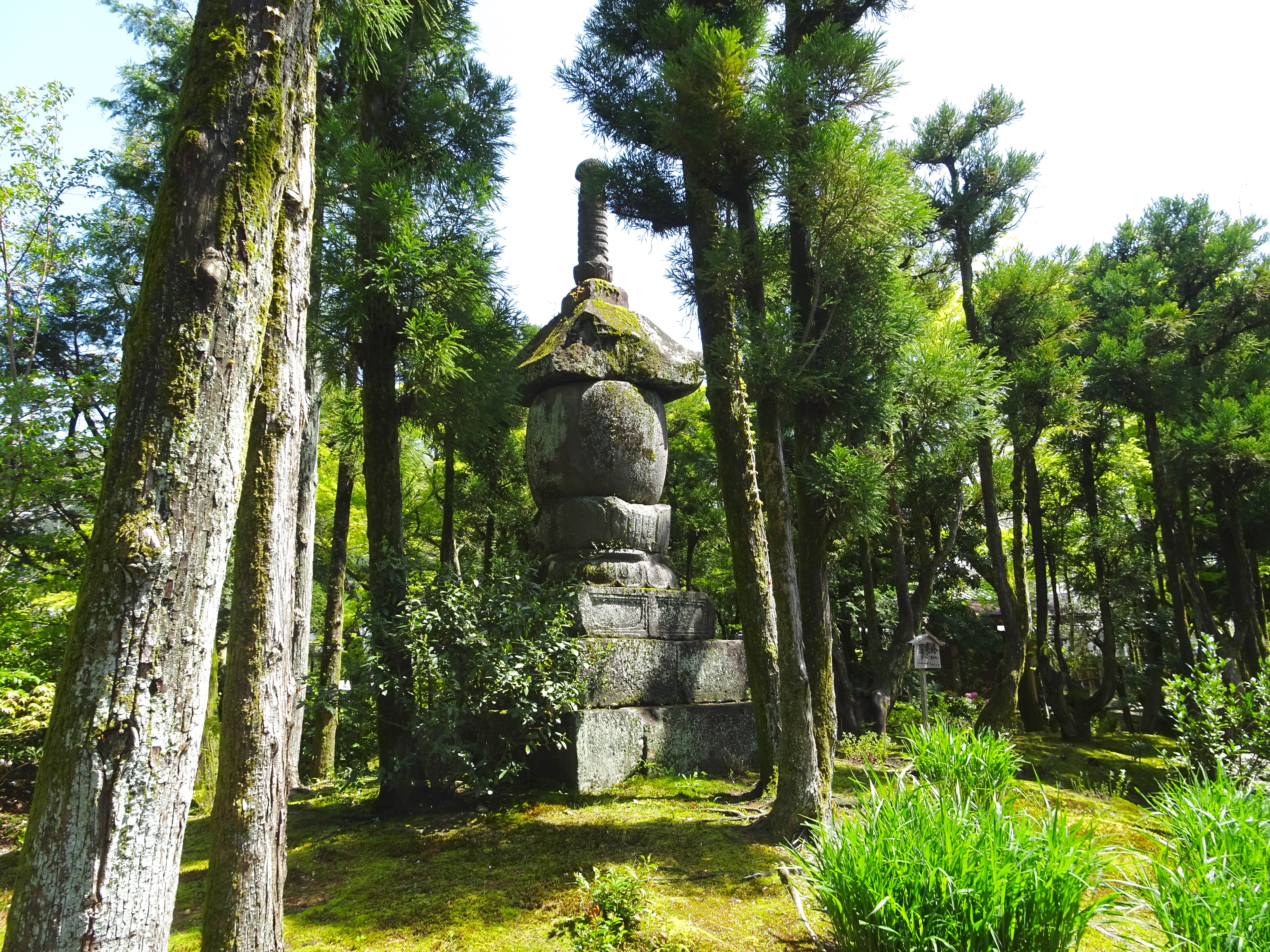
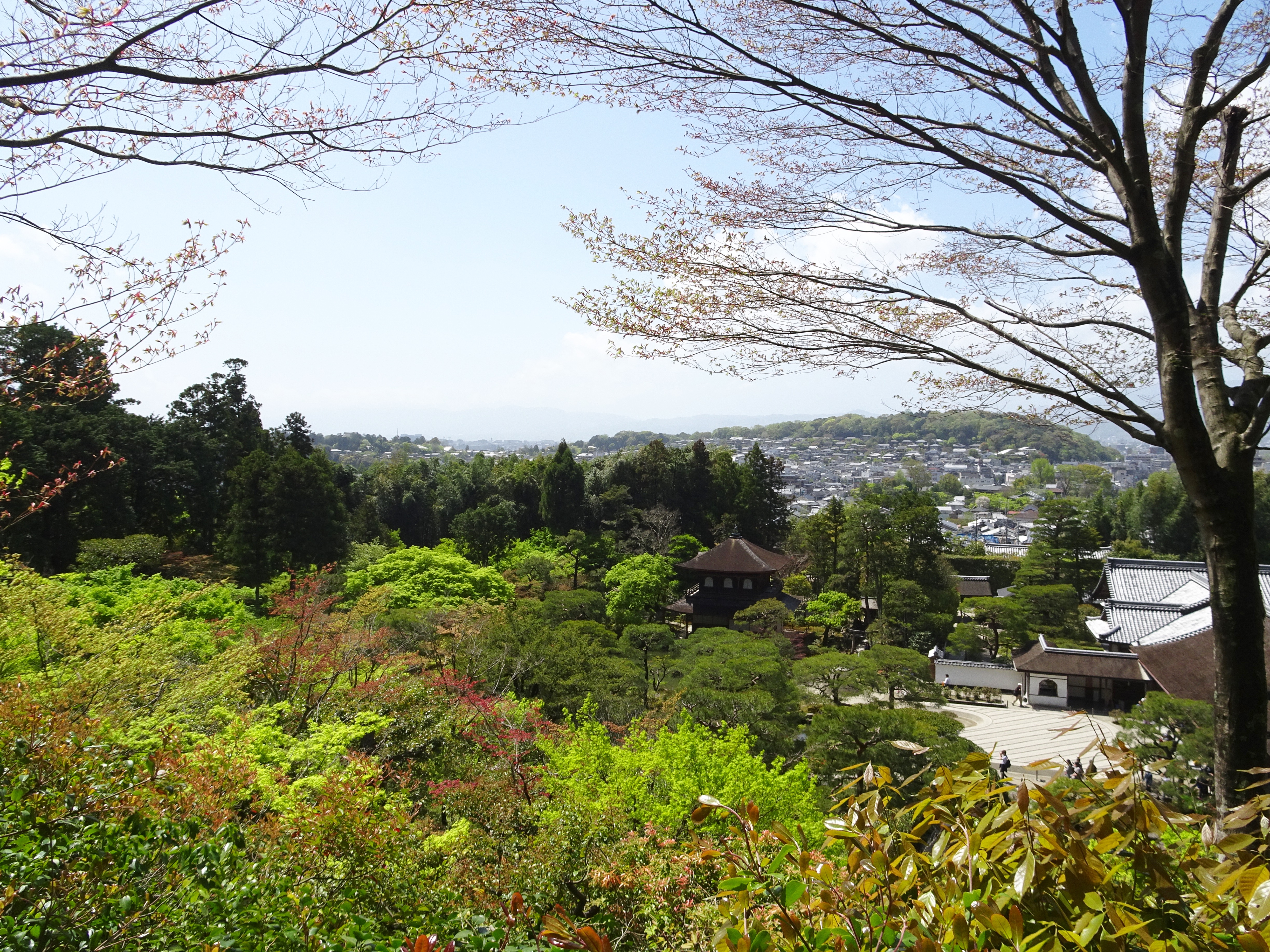
Kyoto is surrounded by what I call ‘hills-around-the-corner’; they are there but seem to only catch the eye when they can perfect the picture of for example a temple or another wonderful artifact.
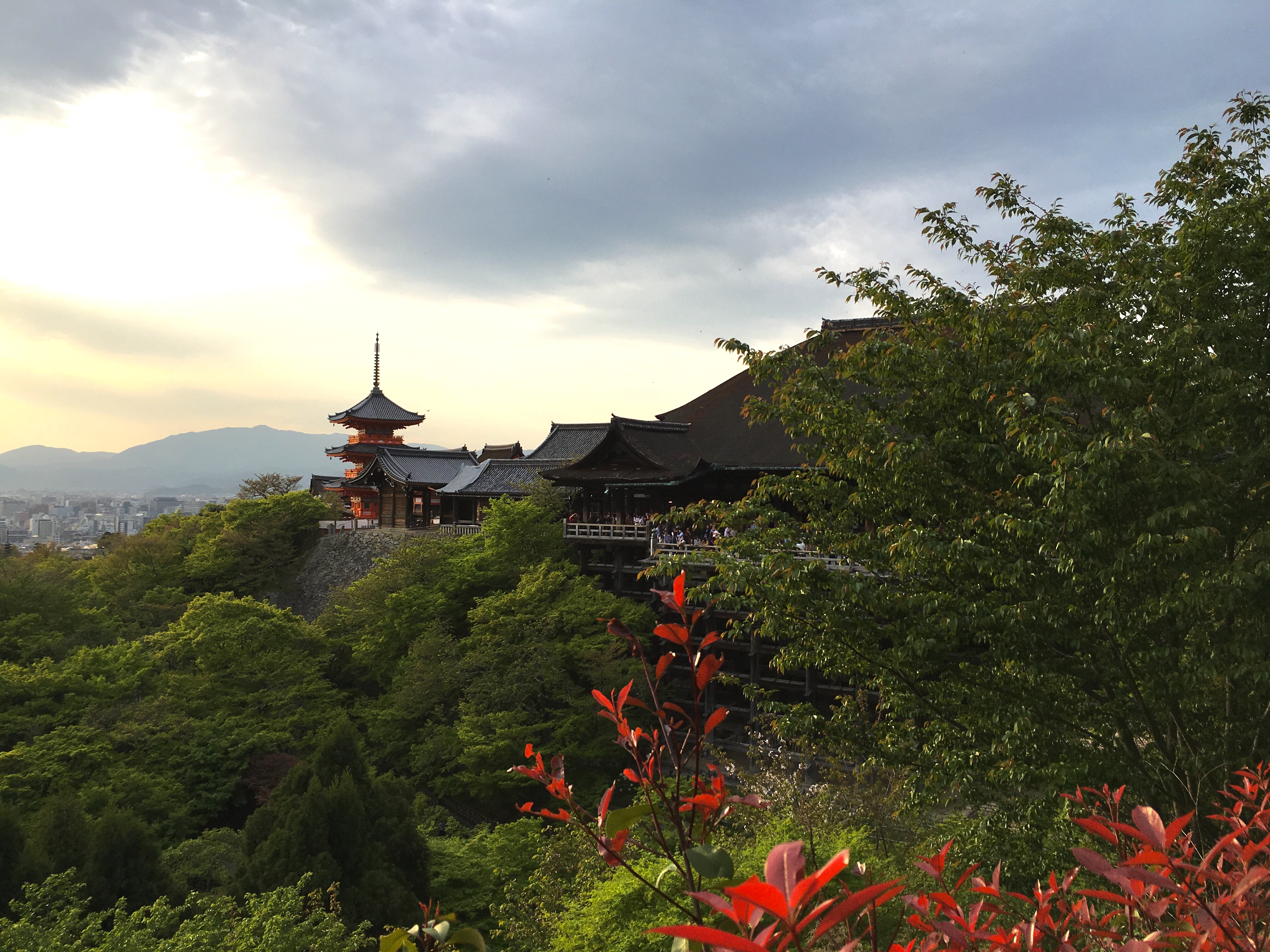
imageimage

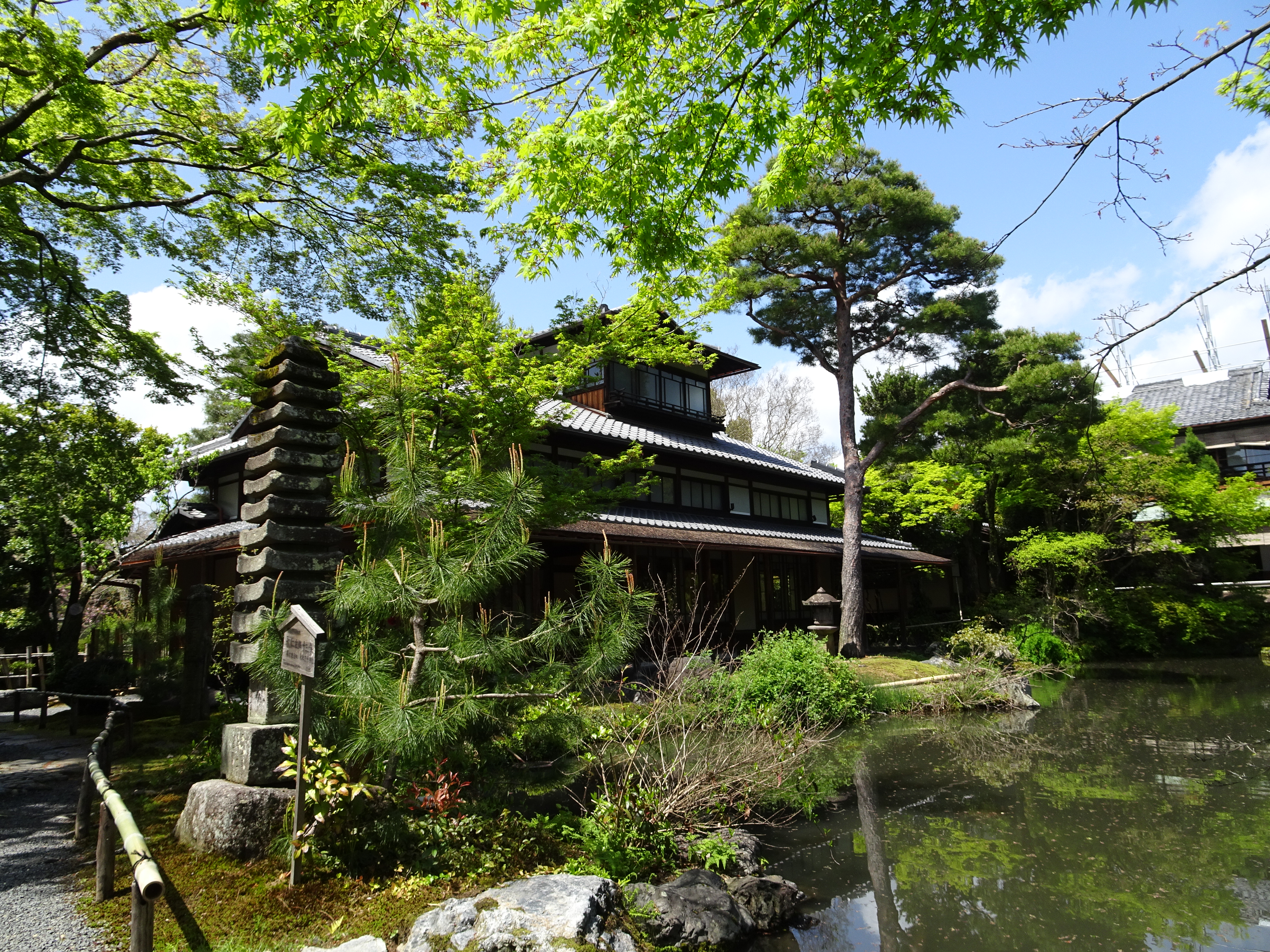
The city is green, greener, greenest. I can’t remember having seen so many different shades of green. (Ofcourse I initially typed ‘grey’ but continuing that storyline would have resulted in a very, very different ending of the blog 😉 ). But let me end this section happy too: I hit the jackpot for timing as it was peak blossom season in Kyoto.
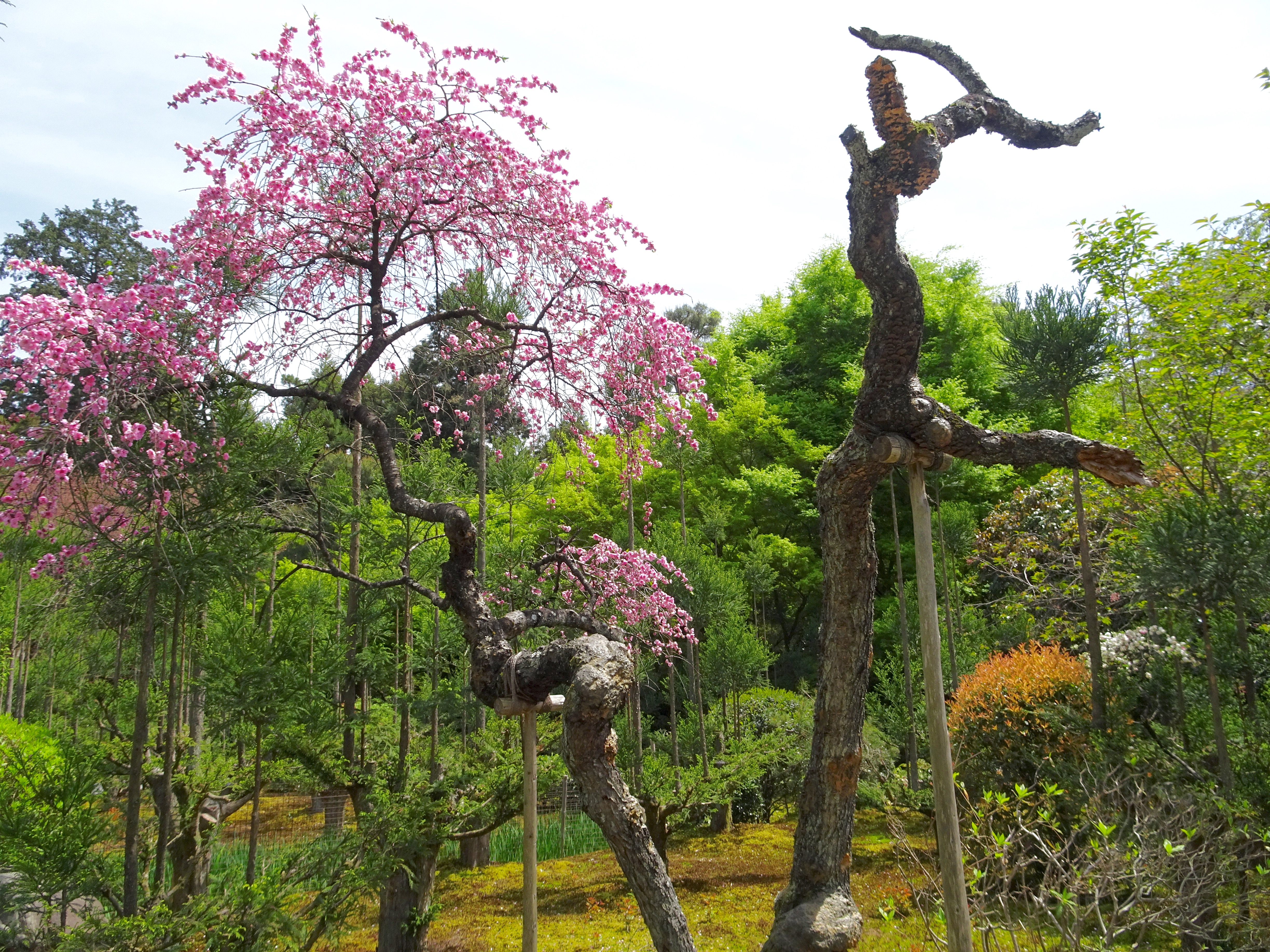
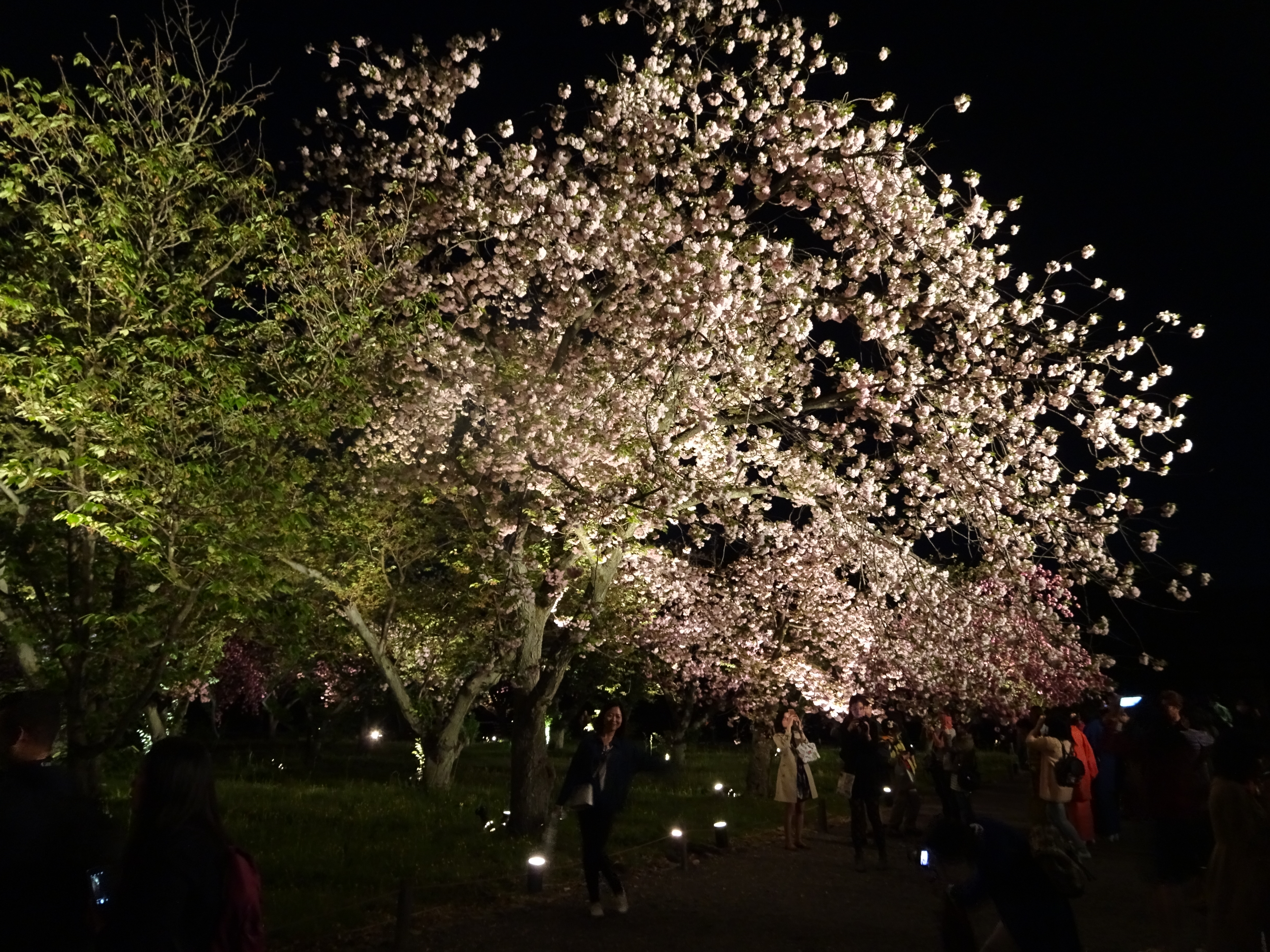
imageimage(Bottom picture is the blossom-by-night during the enlighted caste event)

Kyoto is abound with shrines and temples. And strangely enough it just didn’t get boring to dwell from one to the other, which has been the normal pattern so far.  Maybe the city’s distracted me by its great food and heavenly shopping – I didn’t know that Kyoto was a ‘shopping walhallah’. Unfortunately, since I had become an expert in physically sitting-on-my-bag-to-get-the-darned-thing-zipped-up, I had to mentally cuff my hands in a few shops. OK, I splashed out on two handmade fans but these are my special national memento. Quick explanation here; I buy one rarity in each country of my tour, and I I collected until now a canvas of my best Everest picture, a religious painting from Cambodia, the idea to create a 3D artwork with Vietnamese rice and Chinese hand painted chop sticks.
imageimageimage

But enough about scenery and tangibles, Kyoto was special for meeting up with two women who deserve an honorable mention.

The first is a young lady named Haruka Takeyasu, my private guide in the Zen temple, Ginkaku-ji. If you think ‘yeah, a guide, so what?!?’. Well, Haruka is blind. She nevertheless explained the temple, its surroundings and its customs to the smallest detail… in perfect English. English is not so common in Japan, perfect English is rare, such level for a young person is rarer and for a blind person is unique. Haruka is an English student at the local university. She guides tourists to practice her skills and wants to become a teacher and travel the world. We spent most of the day together talking about about language and pronunciation, about Japan and the world, travel and dreams. I know for sure that she will succeed and I hope I can host her in my home one day. PS: Her friend, Takamitsu, deserved a special mention too because he accompanies Haruka on her guides to make sure she is fine.  That is true friendship!
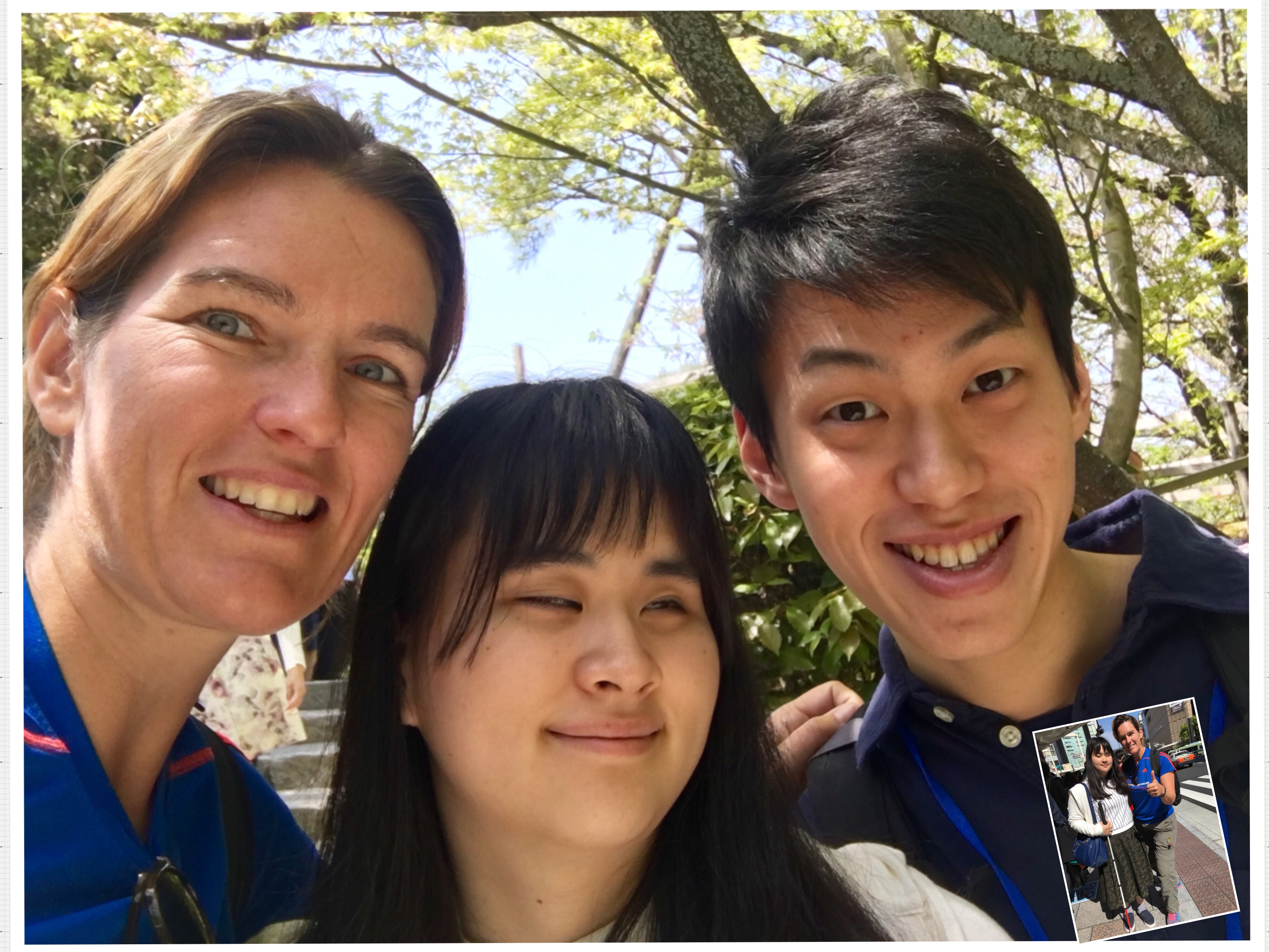
Processed with MOLDIV

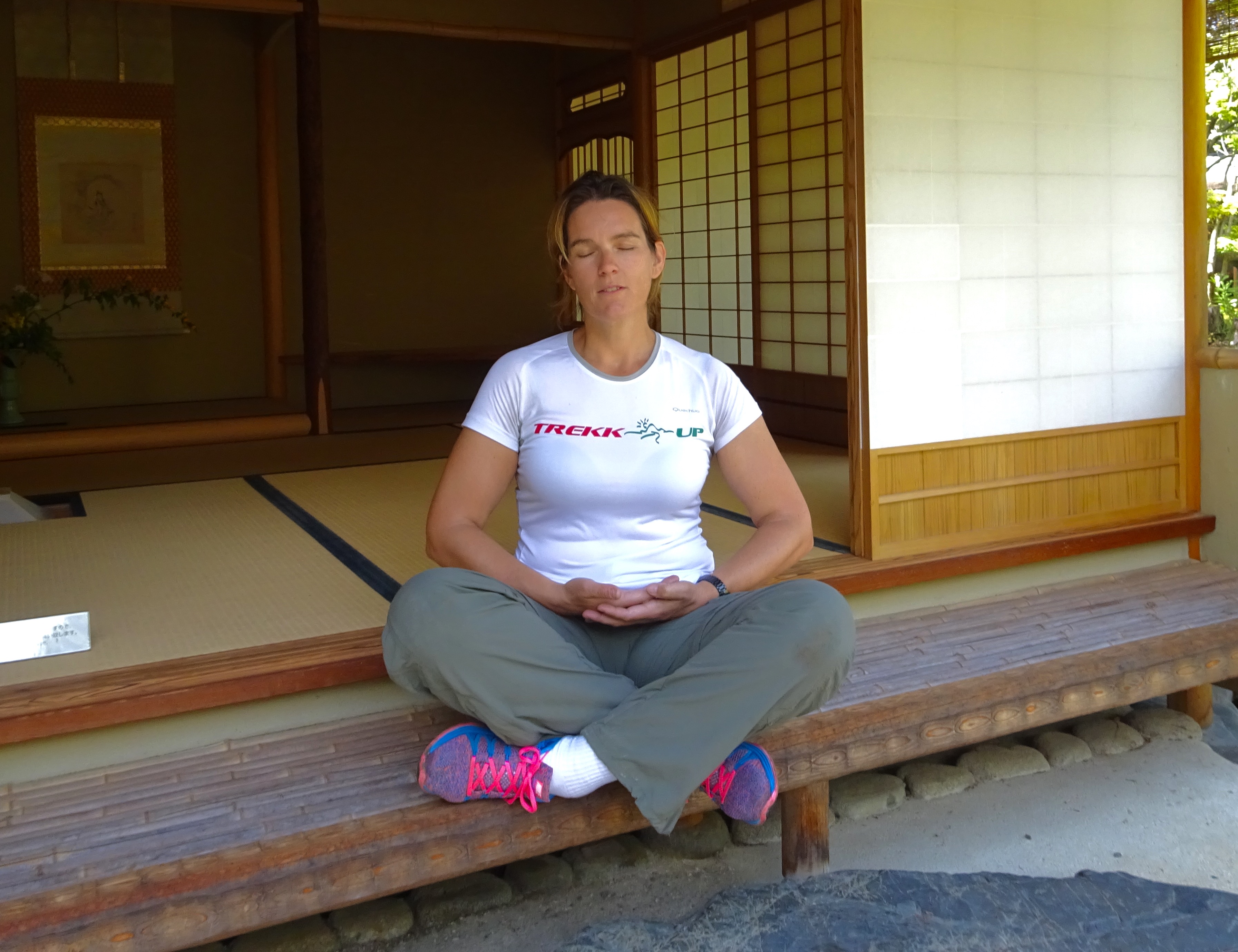
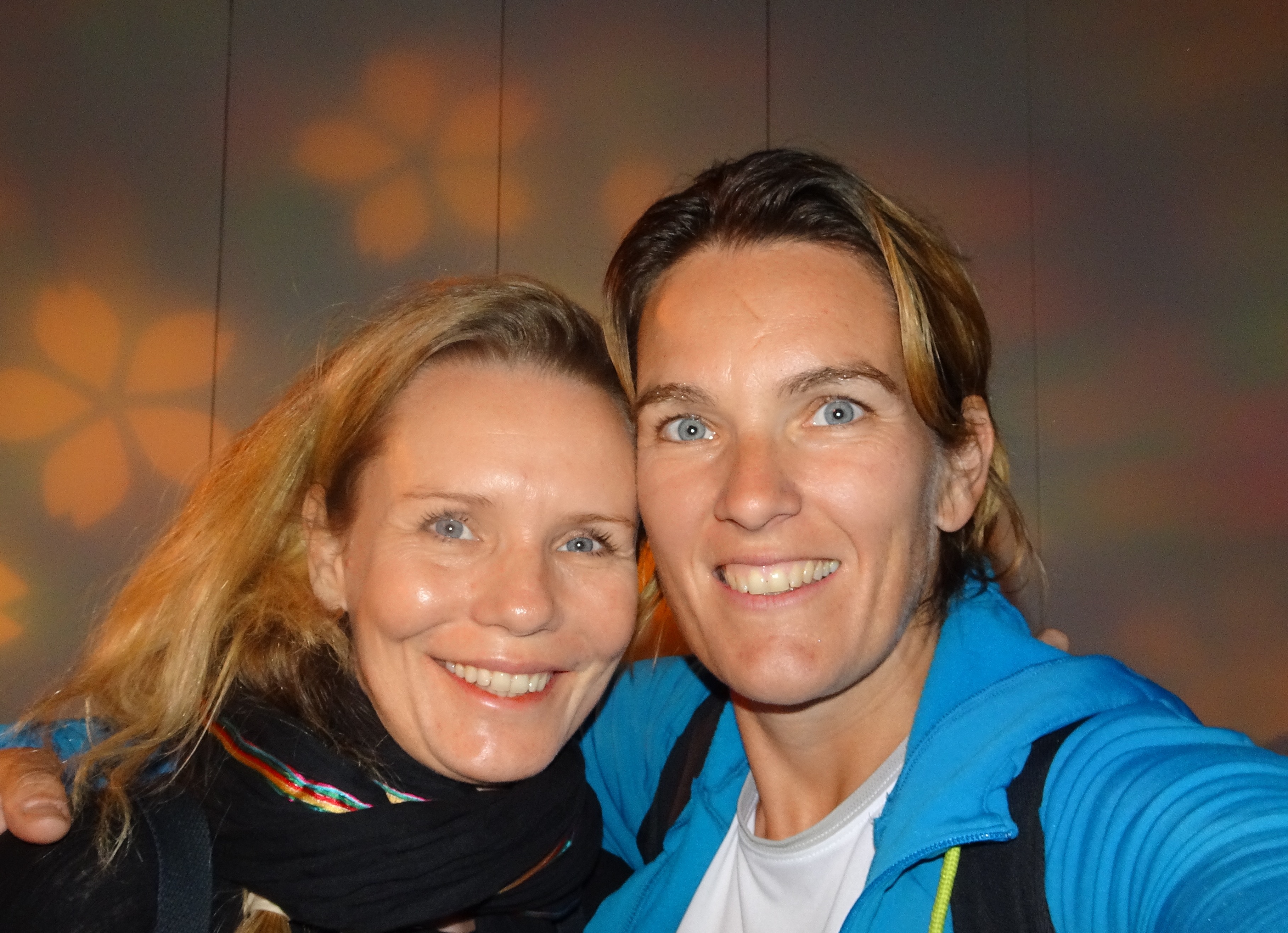
Then there was this Dutchy, Inge Bakker. We immediately connected When I flung the dorm door open and joyfully cried ‘GOEIEMIDDAG!!’ to the lady in the upper bed. This lady (Inge) had just finished a 14 days silent Zen yoga meditation retreat. Dead tired and sleep drunk, she was flabberguested how on earth I knew she was Dutch (as ‘goeiemiddag’ is ‘good afternoon’ in Dutch). The truth is that I didn’t know. I had simply blurted out in Dutch without realising it wasn’t English. Hilarity all about. Inge is my champ because she took the bold action to regain her life balance through intense meditation. PS: I am also in awe for her ability to be silent. I may have several talents but being quiet would require some genetic re-engineering…
image

All in all, the Kyoto stop-over became a 4 days ‘best ever’ experience. I would have stayed longer if I hadn’t hit the bariier of time; my mom and sister would meet me in Moscow on April 28th and I needed all the time to reach in time. So with great reluctance I accepted the fact that it was time to move on, but only after promissing myself and the city that I would return soon!


Hiroshima, Honshu, Japan: Blasted away by history

13-14.04 Hiroshima: how origami cranes cannot undo the aftermath of brutal nuclear force

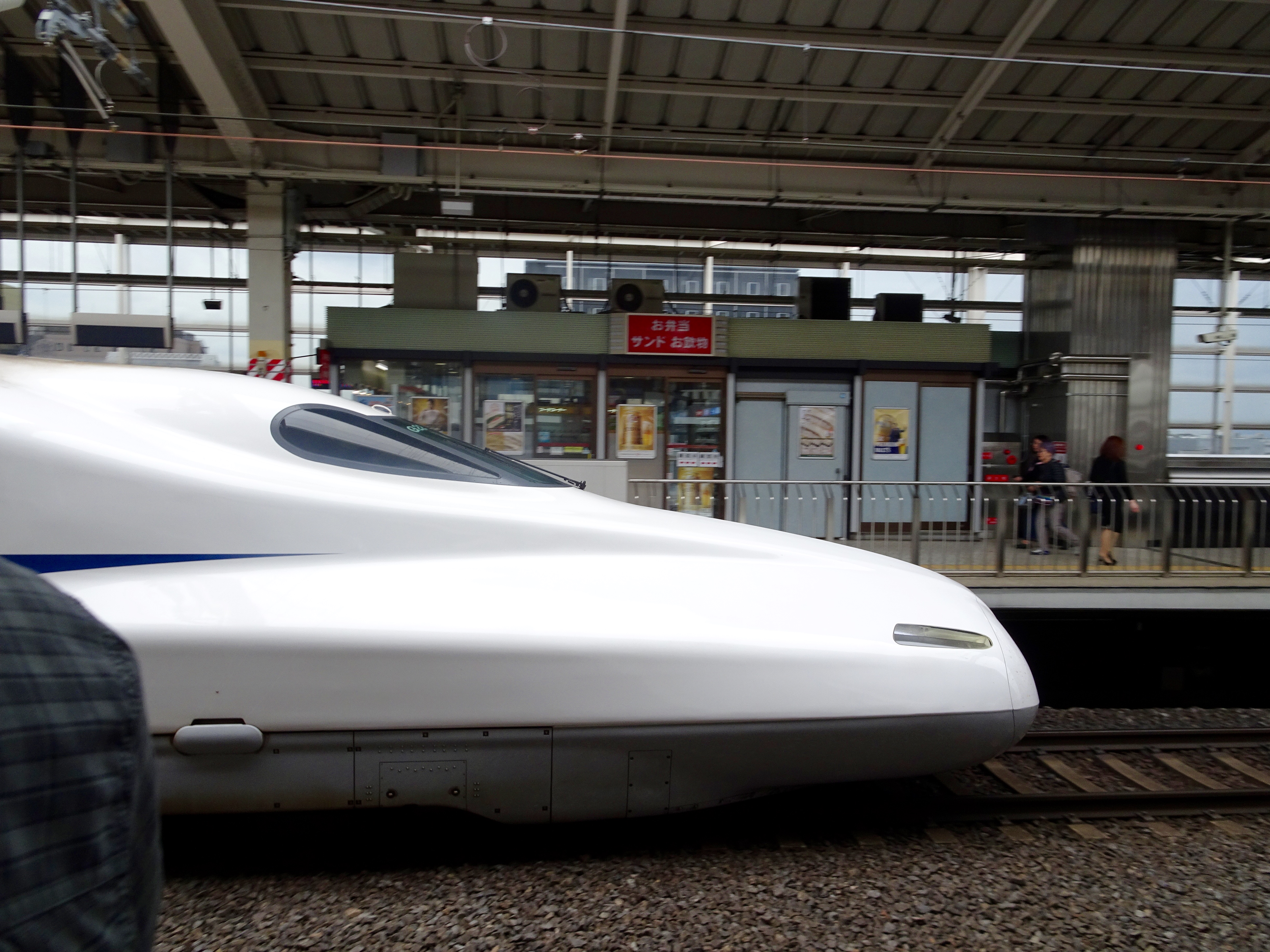
After a quick goodbye to Mateo I boarded my second Shinkanzen, the train used for Japan’s luxurious high-speed network. Shinkanzen stirs up mixed emotions amongst the Japanese because its operator, the Japan Railway Group, discontinued all other (cheap) express lines thus monopolising Skinkanzen. True, it costs an arm and a leg but it is really fabulous; ALWAYS on time, clean, fast, etc. Our Dutch national railway company (NS) should go on a field trip to Japan; they already panic when Autumn hits and tree leaves cover our tracks…

image

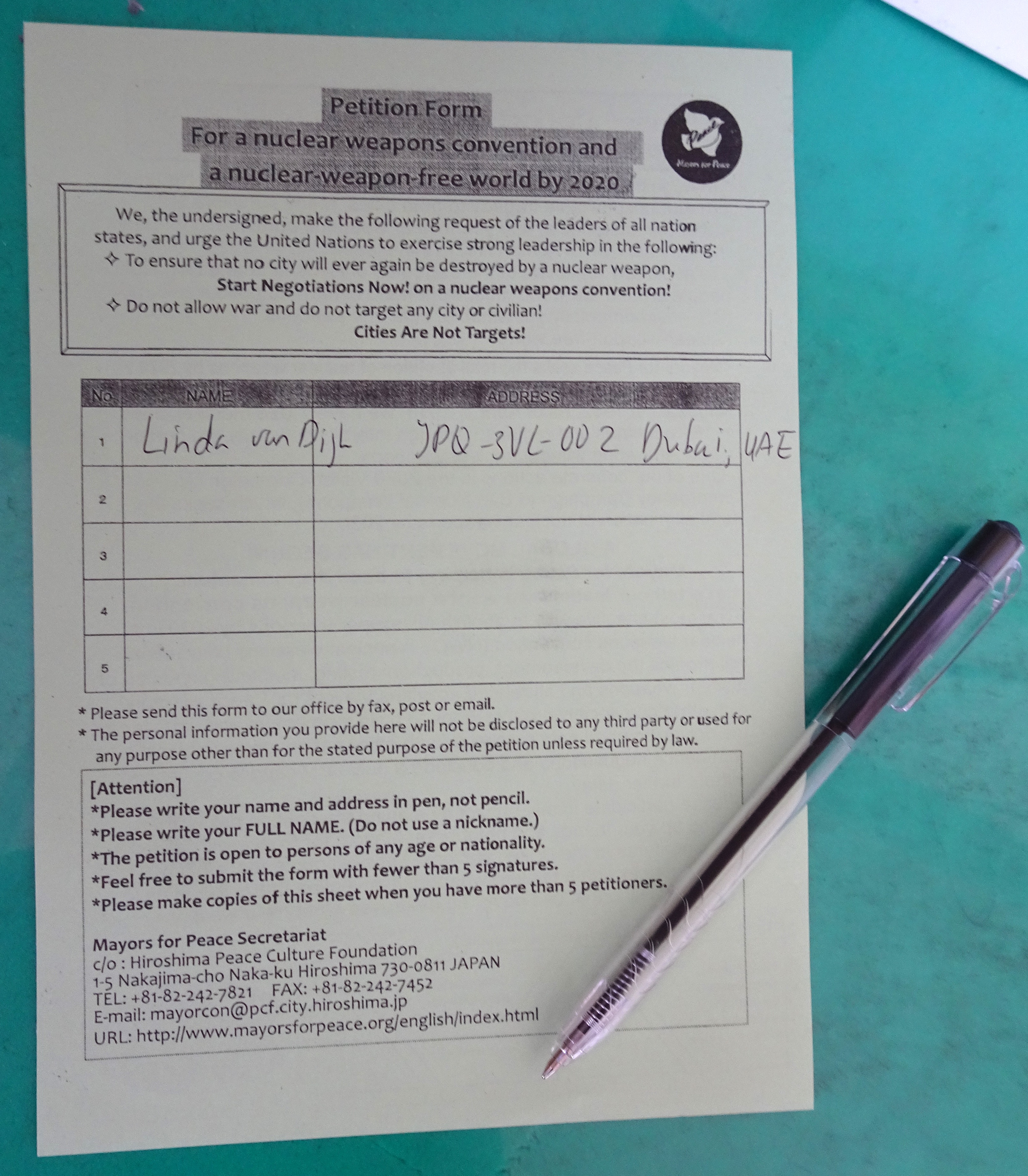
My next stop would be Hiroshima. I didn’t really know what to expect, I mean, this city was bombed ‘back to the stone age’ at the closing of WW-II. There is so much controversy on the legitimacy of the nuclear bomb; many believe the war was already ‘over’ and the US government ‘only’ dropped it to assess its destructive power. I don’t have the full picture and irrespective whether true or false, I firmly believe that nuclear weapons should never be used [again]. Hiroshima petition attempts to convince the world of the same.

image

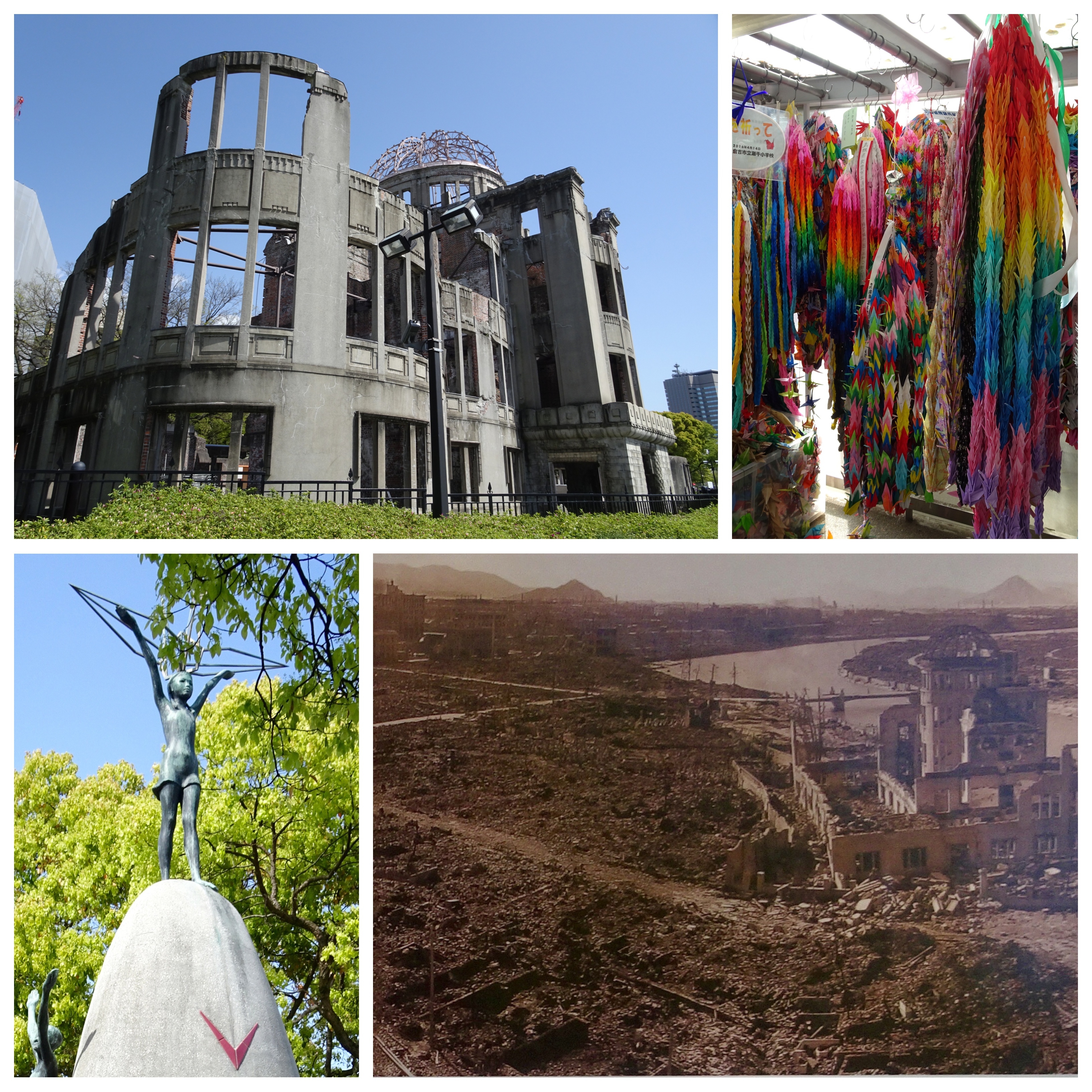
The Hiroshima Peace Memorial ‘blew me off my socks’ unexpectedly. This ‘Atomic Bomb Dome’ is the ruin of the Exhibition Hall, located only 150 meters from the bomb’s hypocentre. It is flabbergasting that this building stood upright whilst its vicinity burned to the ground.

Processed with MOLDIV

Behind the dome I met some ‘bomb survivors’. They excel at telling moving stories, for example the story of Sasado Sakaki. This 2 year old girl was 1.5 km from the detonation and whilst seemingly without a single scratch she died of leukemia at age 12. She believed she would recover if only she could fold 1000 origami cranes. Some say she was 300 short but her father says she exceeded it. Her class mates folded another 1000 to cover her in her coffin. The bomb survisors taught me on the spot how to fold a crane myself. It was one that could actually fly…

Sasado’s story is immensely sad but actually ended gruesomely.  Covering her with the cranes was necessary because her body had been subjected to scientific research, leaving only her head for the ceremony. Broke my heart!

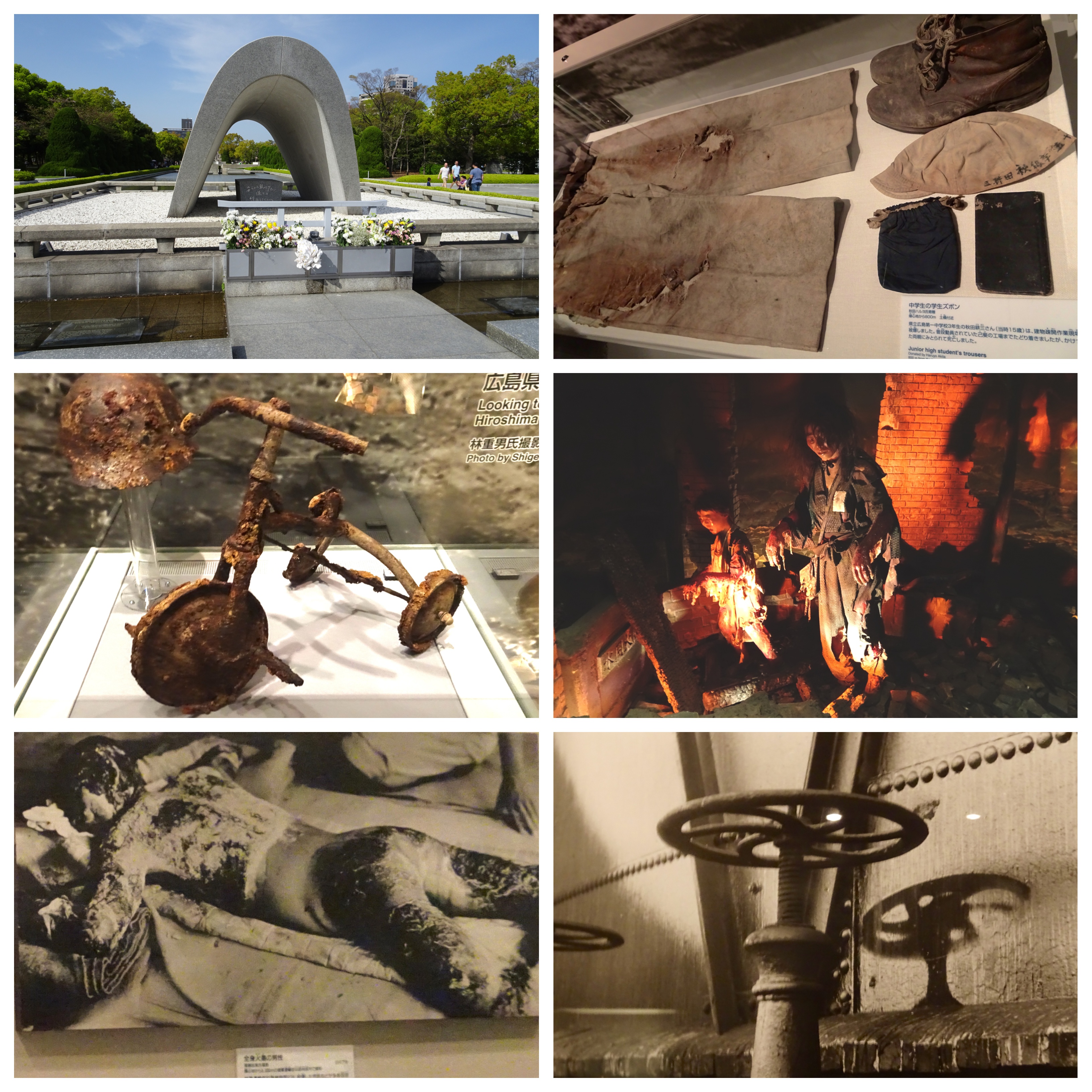
Sasado has become a leading symbol and a heroine in Japan. Her memorial is flooded at any given time with an abundance of the most beautiful cranes. I saw many visitors reduced to tears (yes, me too… my emotions were all over the place at that point). Walking through the actual museum and through the displays of torn, burned clothes, twisted steel, pictures of burned bodies and videos of survivors was tough. I could still feel the sheer horror and pain. Oofff!!

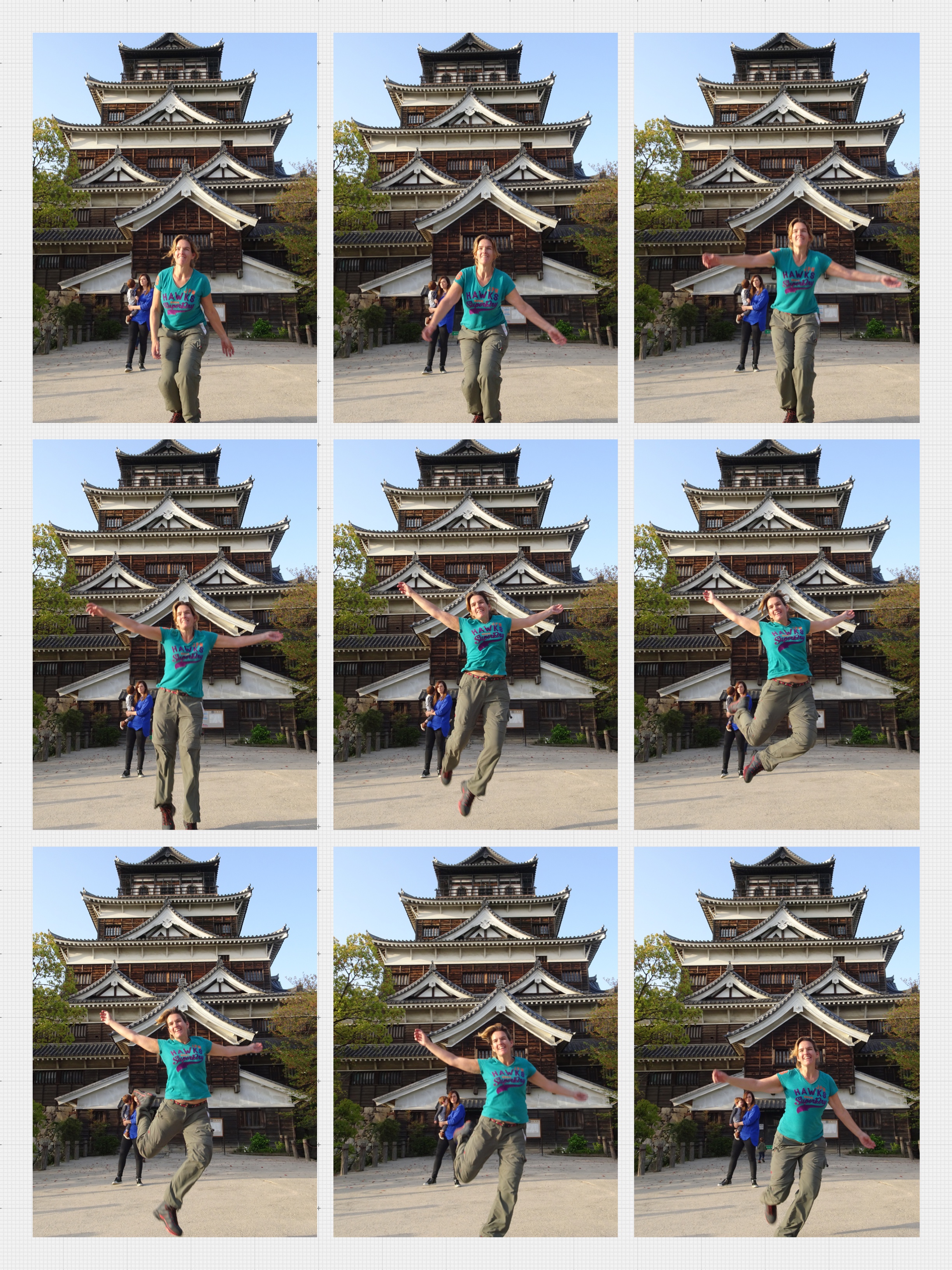
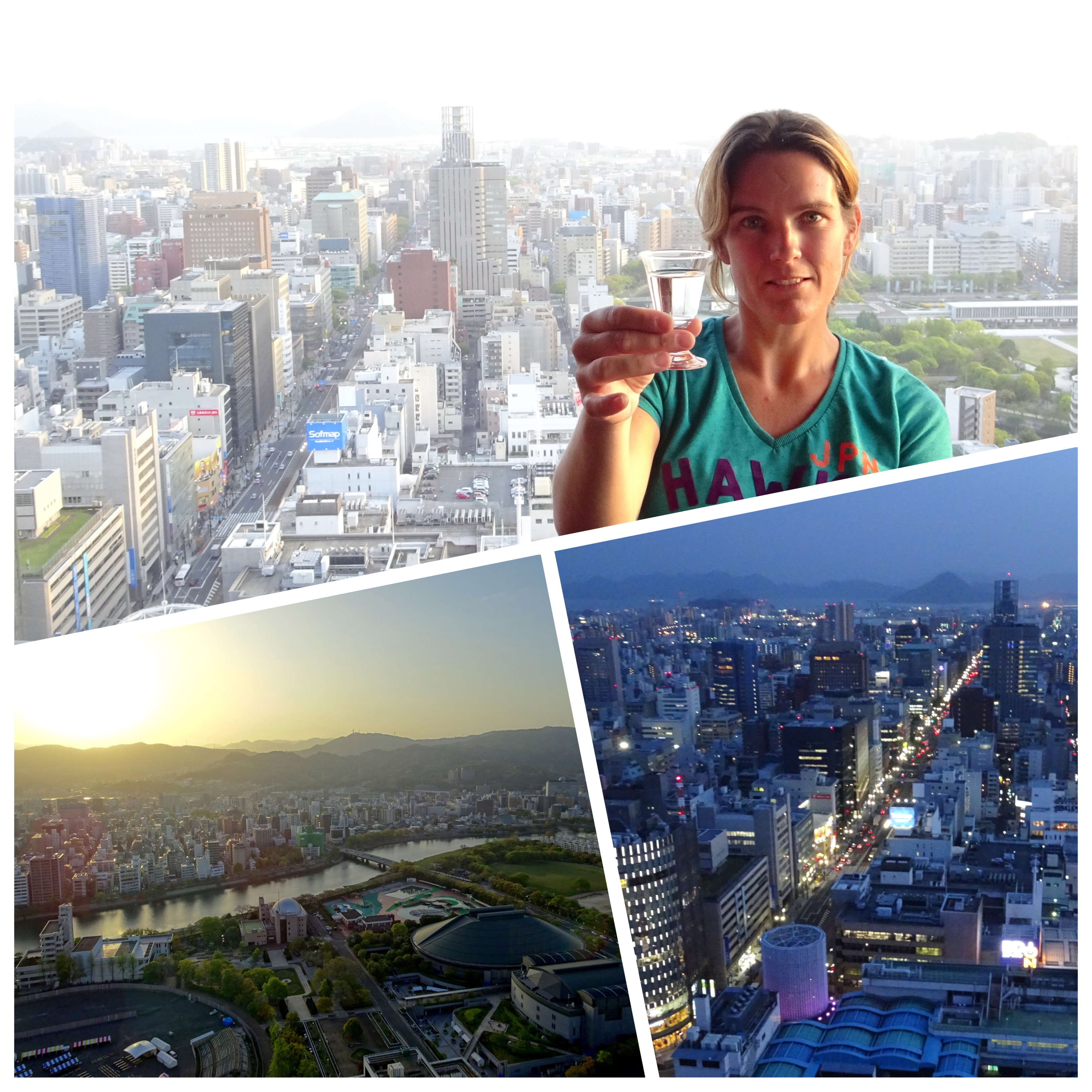
I really needed a cheer-up after such intense, emotial day. So I had some fu trying to explain to non-english speakers how to take a repeat shot on my camera  result below; jump) and went to Hisroshima’s highest view point to sample their best Sake and witness the sunset from above.

14-15.04: Miyajima: my oh my….

From the viewpoint I could already see my next stop in the distance, the island of Miyajima. Miyajima is voted a top 3 scenic spot by the Japanese and it is flocked in Summer. I can now understand why. It is perfect;  the weather, the scenery, the hikes, the temples and shrines. I could have stayed much longer if only Kyoto wasn’t waiting for me…

Kyusho, South Japan: about love at first sight and earthquakes

11/12.04 How I ended up in Kumamoto, South Japan

I LOVE Japanese food. Japan therefore HAD to be in my itinerary Period. I knew little more of Japan than that Tokyo was the capital. Consequently, I thought 2-3 days Tokyo plus 1 day for its rural area would be ample of time. And maybe if Japan would have been like Hong Kong I could have gotten away with it. But Japan isn’t, it is humongous. It has 29,000 kilometer of coastline for example. I thus clearly needed a change of plan; add more time, inbound in the South, trains to the North and a outbound via Tokyo to Vladivostoc.

For those who also know little about Japan, here’s a mini overview. Japan is an island nation. It constists of 4 major islands; Kyushu, Shikoku, Honshu and Hokkaido. It has 6,848 smaller islands. The country is lush green all over the place and predominantly rugged or mountainous. The temperature ranges from cool in the North (hidden gem for skiing) to tropical in the South (jackpot for diving/sunny island retreats). In short, if you look up ‘heaven’ in the dictionary you will get a picture of Japan. I couldn’t believe my eyes when I touched down.

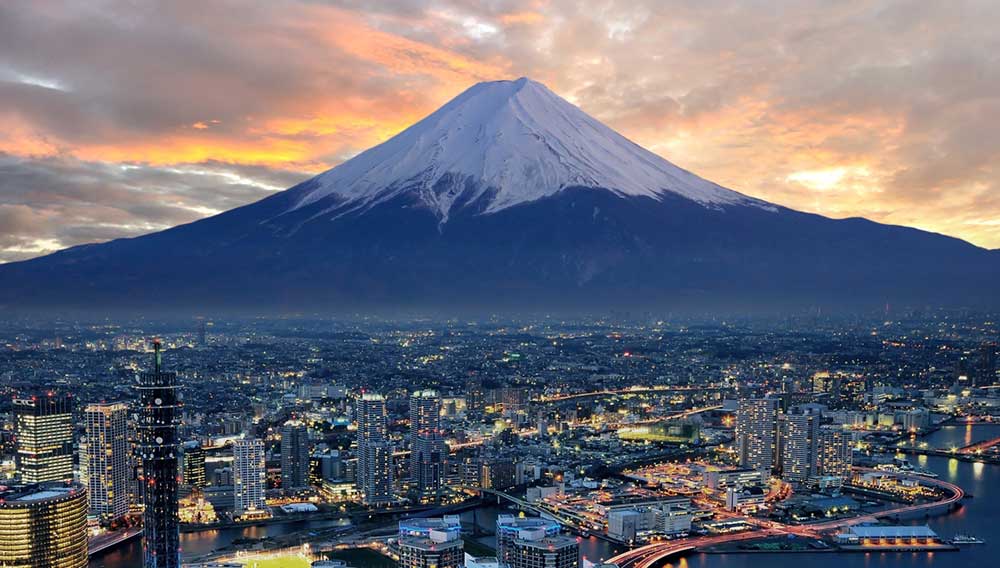
So why Kumamoto? Japan is renowned for terrific hiking and it offers a bonus feature; vulcanos. I was eager to tick the box ‘summit an active volcano’ off my bucket list and fancied Mount Fuji (world-famous active volcano, 3,800m). Unfortunately, it is ‘closed’ until May because too many people die due to extreme cold. Since death on the mouontain doesn’t sound appealing at all, I needed an alternative.

image

(Mount Fuiji. Courtesy of an unknown photographer)

Vince (of the Yangze cruise) had a cool suggestion. He summitted an active volcano in Kirishima on Kyushu Island in the South. I anyhow wanted to start in the South, so that was an easy decision made. All I had to do was to fly to Kagoshima, take some trains and a taxi. I did not spend much time preparing for this endeavour because I was too submerged in Beijing. I had noticed that information in English was scarce, but how difficult could it be, right? Ehhm, wrong…

Firstly, I never reached Kagoshima. Once I knew my departure date I had missed out on all reasonably priced flights. The nearest airport was Kumamoto and that didn’t look to far away on the map. Now, I told you that Japan is BIG, so in short, it was not near at all. I needed a 50 minutes bus to a railway station, hurry to catch the last high speed train of that day, and somehow get a room booked on the way. Not impossible if only for those few “minor” challenges:
1: No data. It seemed impossible to buy a sim card, so I could not use the internet. Disaster! I could not check the train time table, use google maps, book a room or use the translator
2: No English speakers. No one spoke English and most signs were in Japanese only. Fudge, China had been child’s play compared to Japan.
3: No clear maps, at least not to me 🙂 The online maps were outright confusing. Did I really see two Kirishimas, 200 km apart? Which one was the right one?
4: No Lonely Planet guide. I hadn’t bought a travel guide yet (as China didn’t sell in English) so I was literally in the black.

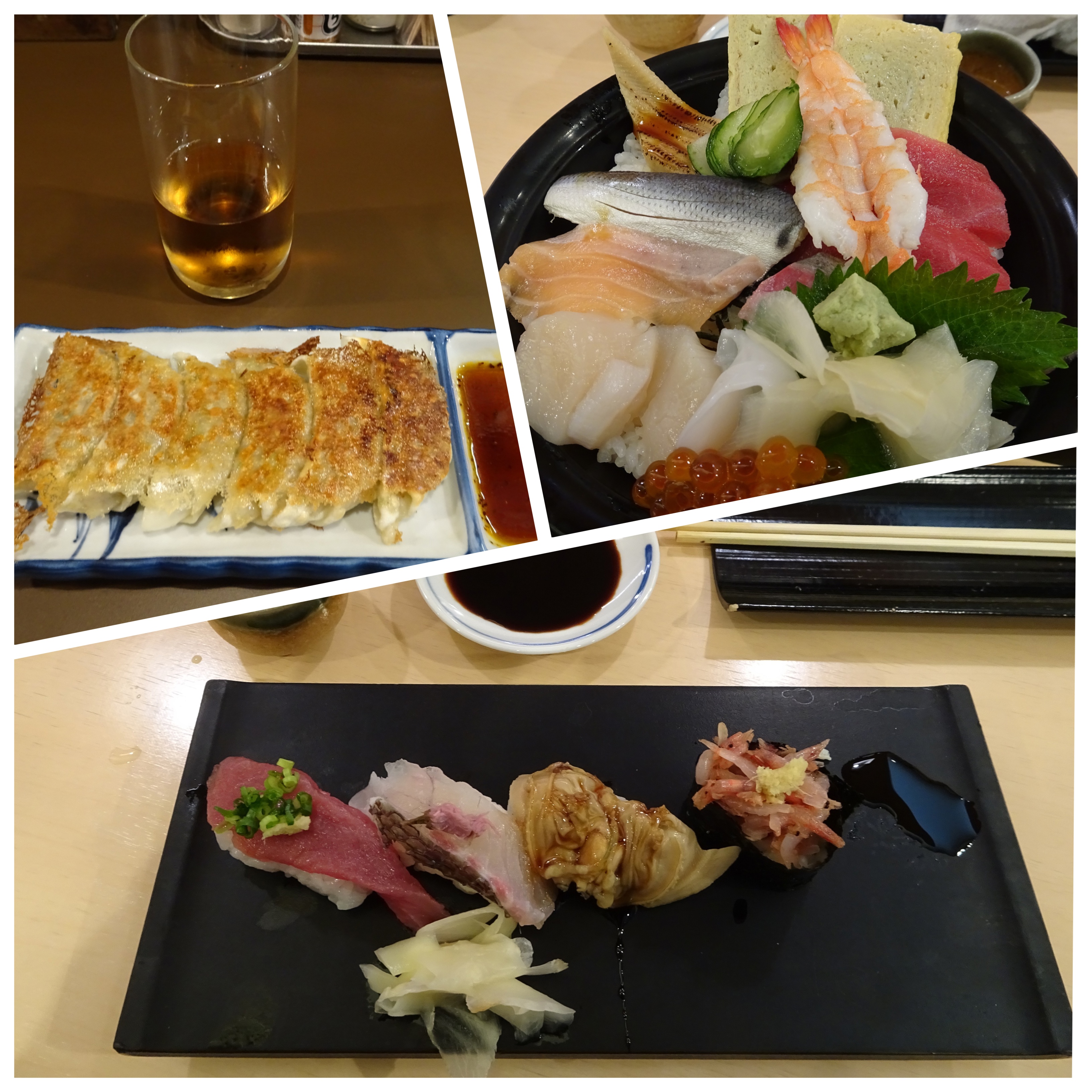
It was 6 PM at night, I was all alone, in an unknown country, tired and overwhelmed. All I wanted was sushi. So I decided to call it a day. I checked in at the first random hotel that looked OK to regroup. So that is how I ended up in Kumamoto.

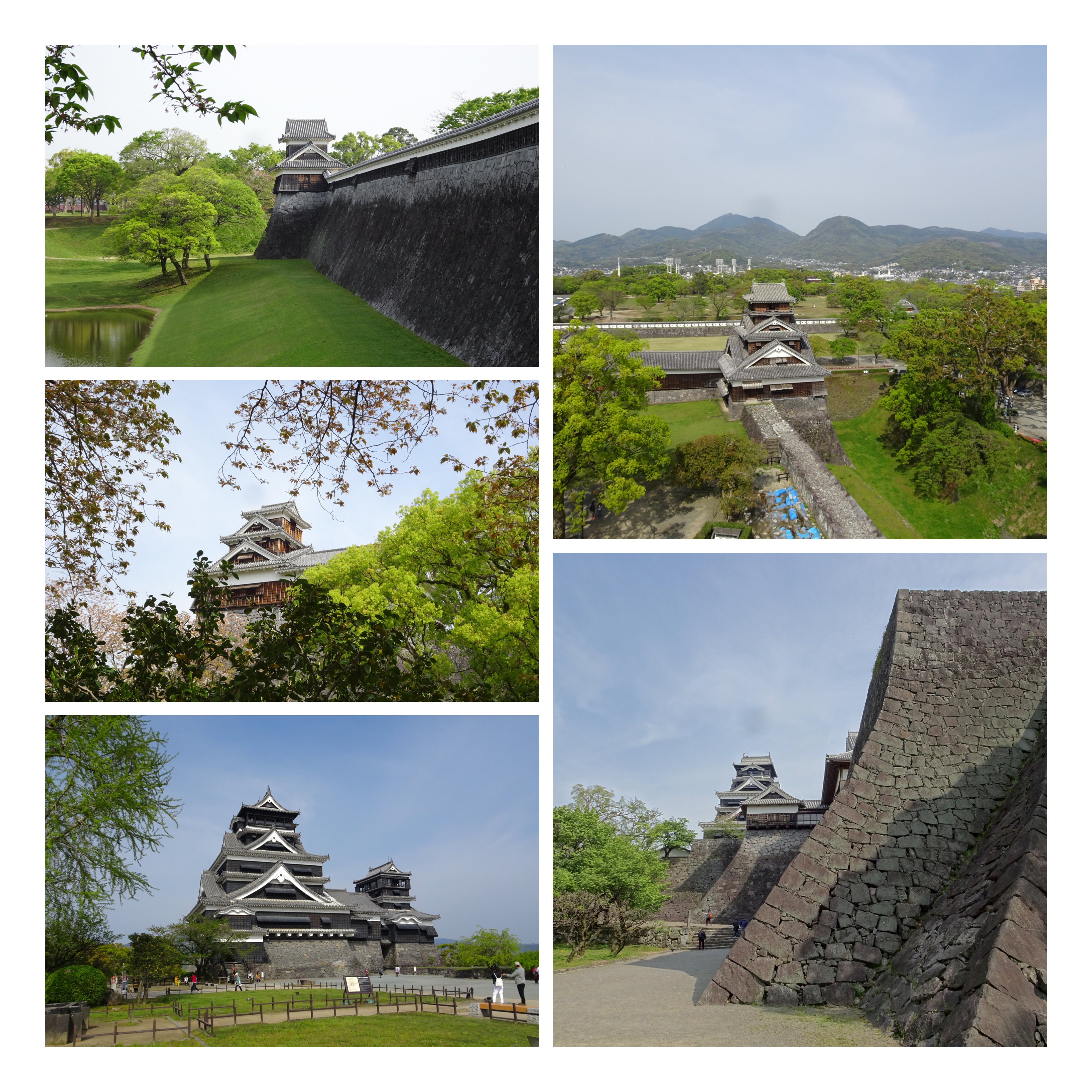
12.04 Kumomoto-jo, what it looked like just before the earthquakes

Kumomoto is famous for its castle so I paid a visit on the next day. Japan has taken their castles very serious. Shiro or jo’s served to impress and intimidate rivals not only with their defenses but also with their size, architecture and elegance, and were the residence of the daimyo (feudal lords) and their samuraj.

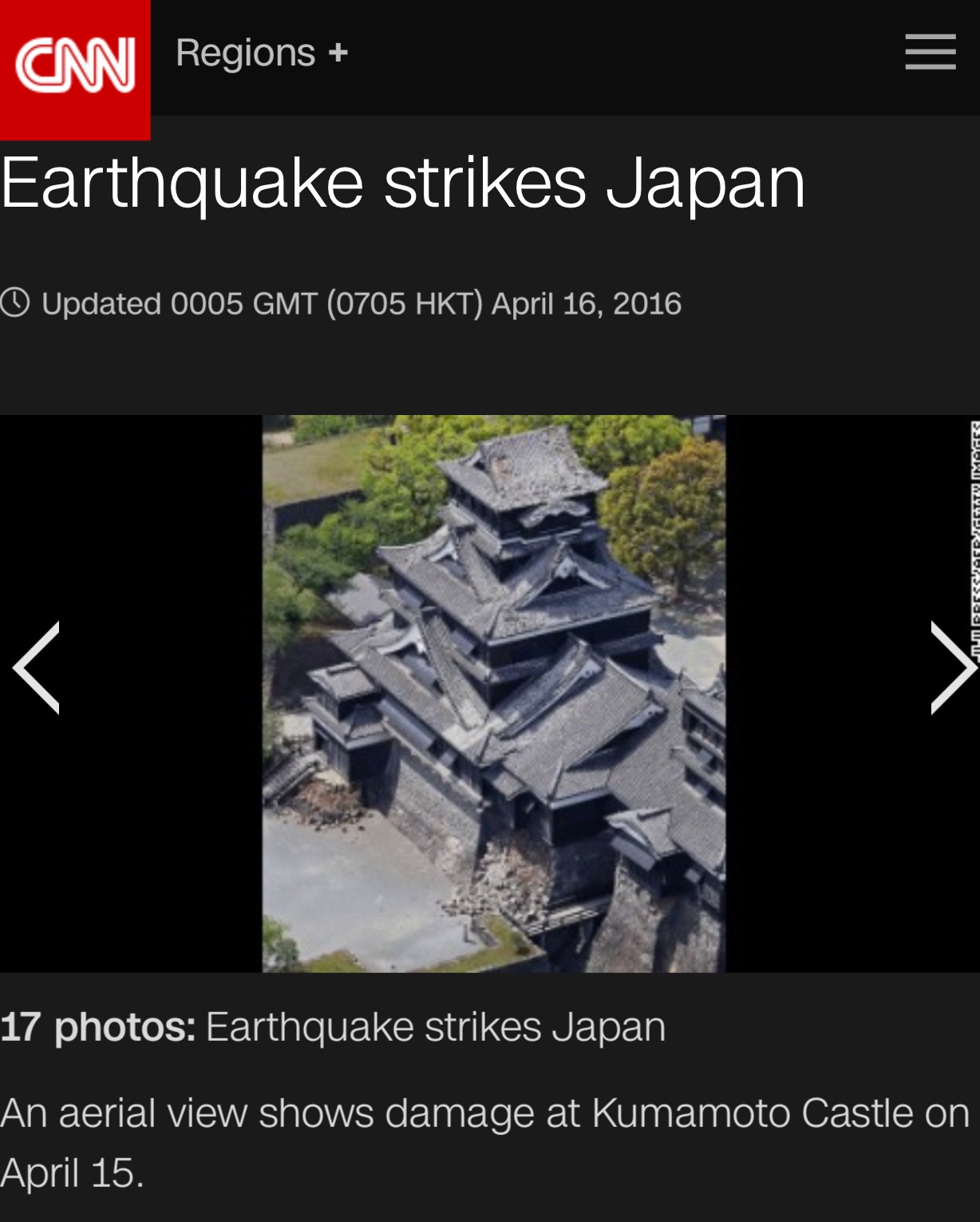
 I didn’t know at the time that I have made some of the last pictures of this gorgeous place. Two days later Kumomoto was struck by two earthquakes of resp. 6.4 and 6.2 on the Richter scale. Japan announced a state of National Crisis. Tens of people died and thousands got injured. Material damage is in the billions and it is said that the quakes will impact the Japanese economy. What a tragedy! I was ofcourse glad that I had evaded the danger but I can help thinking that -if I would have been there/close, I could have joined the rescue teams and helped the people in need.
image


12/13.04: Aso’s toxic smoke (what an aso…)

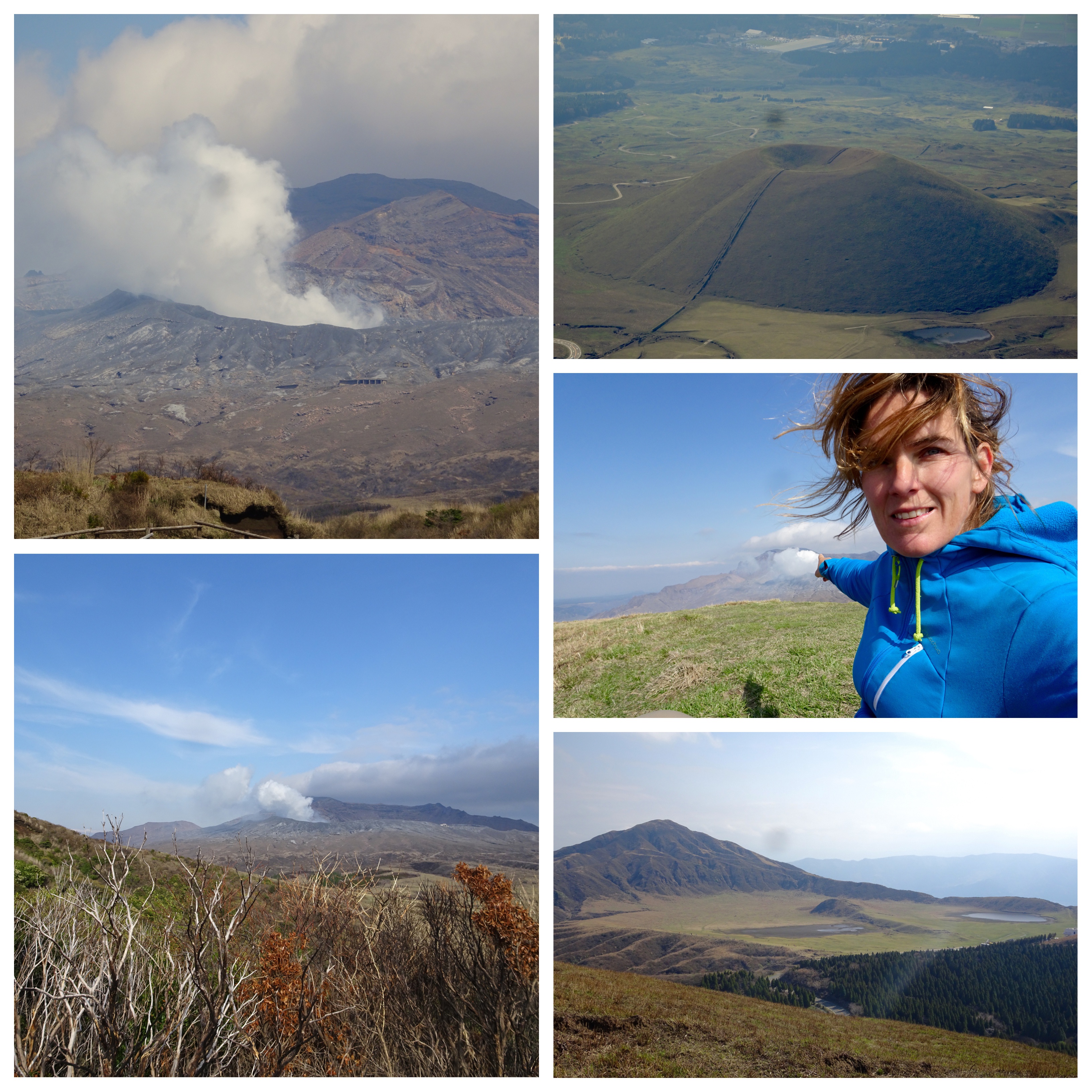
During my ‘regrouping night’ I had resolved my travel itinerary chaos; I replaced Kirishima by Mount Aso, the largest active vulcano in Japan and amongst the largest in the world. A respectful replacement, don’t you agree? Aso-san actually consists of 5 vulcanos. The Nakadake is the one that is active. On my hike, I was lucky and unlucky; Nagadaka was highly active and emitted toxid smoke. Although this was a fantastic sight to see, it meant that the authorities had set a 2 km no-go perimeter. I alternatively climbed one of the highest peaks, mount Kijimadake, which surprised me with a view on 4 of the 5 Aso volcanos. Awesome!

One closing note on Aso – and I am sorry if this only comes across for Dutch speakers, as Aso is in Dutch short for an a-social person, let’s say in English… an asshole. When I reached Aso City I had to laugh all day. Yes, Aso City (asshole City) really exists! I always knew there was a place especially for aso’s/assholes… So next time that you meet an aso/asshole, just tell him to p#ss off to Japan! 🙂 🙂 🙂

13/14.04: How I fell in love with the Japanese

I had been recommended to stop-over in Kitakyushu in the Fukuoka prefecture by a fellow traveler in Aso. I still don’t understand why because I didn’t find much of interest. What did happen there is that I fell for the Japanese. Here are just three extraordinary stories.

The bank officer
Japan is expensive… I had spent almost all cash in 3 days that I thought would get me to Tokyo. I am not complaining but no cash is no fun. It was even less fun to get new cash. The ATMs didn’t work. A senior bank officer came to the rescue when his ATM also failed. He put on his coat and escorted me for 2 hours (!) from bank to bank until one finally worked. How amazing is that! I brought him a big box of chocolats afterwards. The whole staff was gleaming with pride. Very special!

The chef
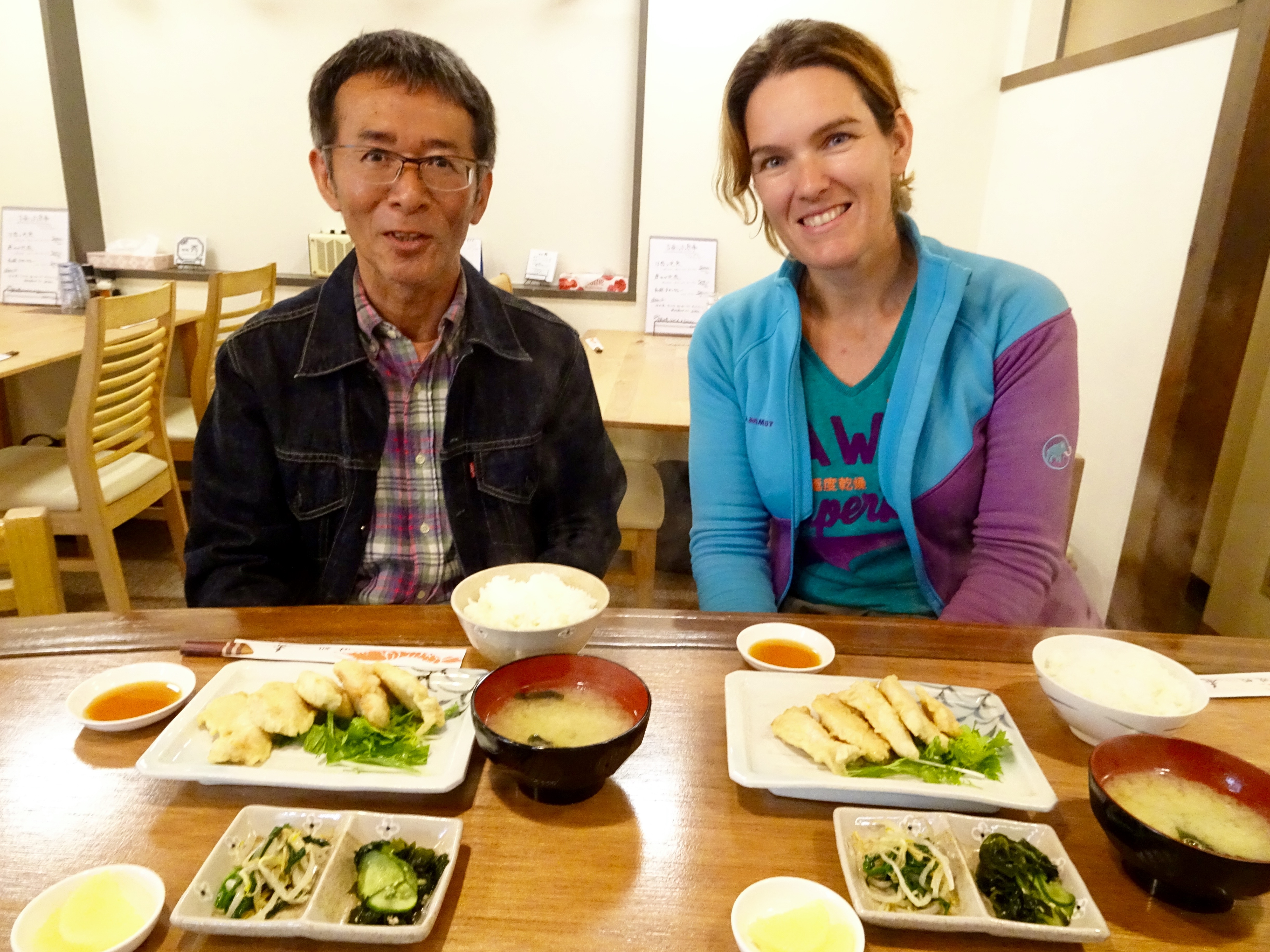
It became even better that night. A hostel guest asked me to drop a note in Japanese at a nearby (tiny) restaurant. I don’t know what it said but it made the chef laugh aloud. I instantly became his Guest of Honor and was sat down on the ground (Japanese style) with two locals. We were his only clients for several hours. So there I sat, not understanding a word they said yet patiently awaiting the tantelising food to reach my plate. Yummy! Biggest surprise? I was not allowed to pay. Huh? Wow!

Mateo
Ex-US citicin Mateo gave the last push. He spent his whole morning to help me get my sim card, stamps and long distance rail passess sorted. This would have been quite cumbersome on my own. He dissapeared for an hour to return with specially painted postcards, soaps and candy as a present for my onward journey. He was the sweetest ever! We went for lunch together untile it was time to part ways; Hiroshima was waiting for me.

image

And finally, the ‘tube’
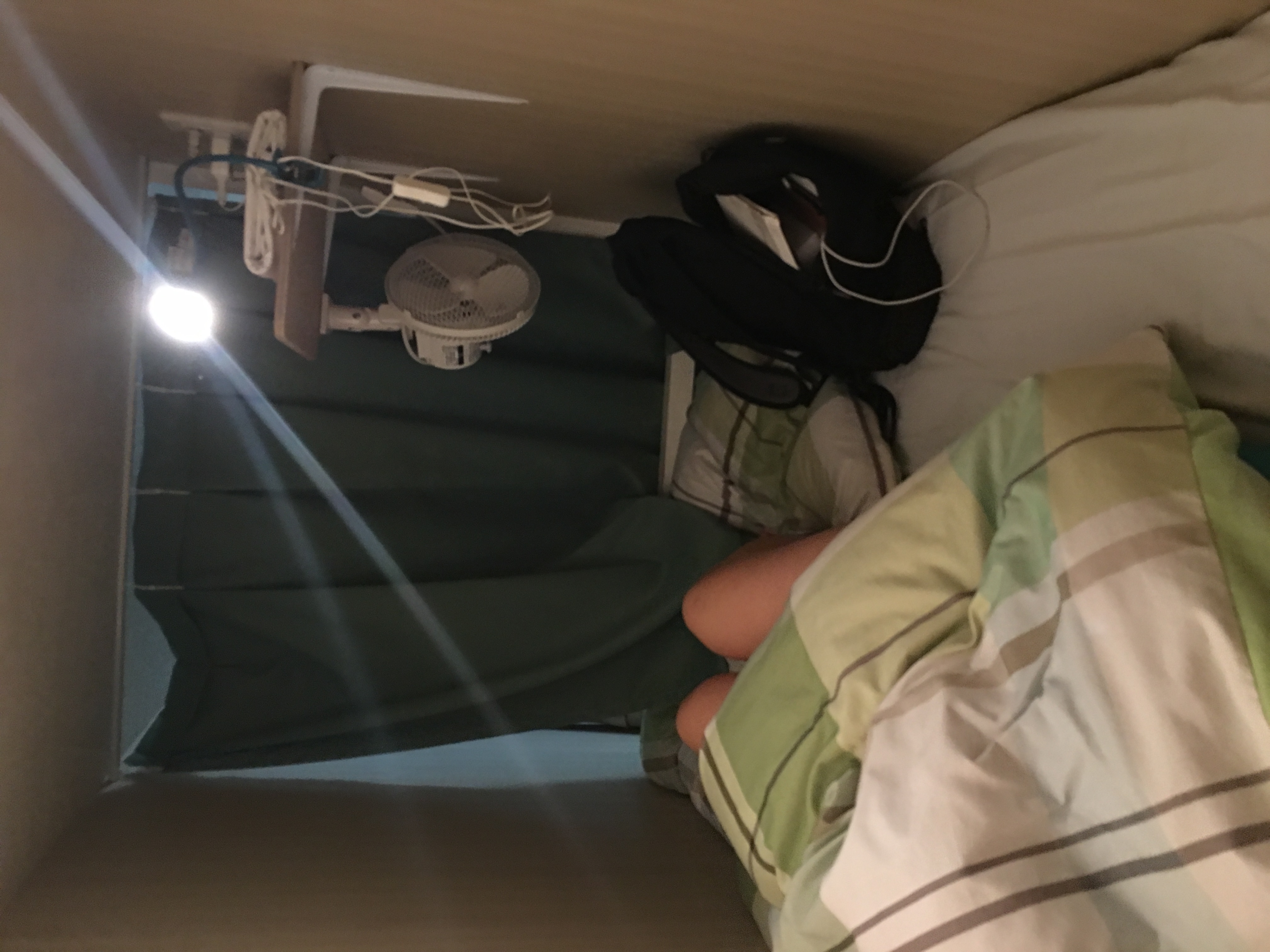
I had heard about Japan’s tube hotels. Tube hotels, as the word already suggests, offer (cheap) rooms in the shape of a tube. Image to sleep is an ‘MRI scanner’ with fellow sleepers above and below. I just don’t know about that. Altough I can appreciate the efficiency. My hostel didn’t have real tubes, but rather, ehmm, ‘holes in the wall’. I can’t recall that I had a smaller room in my whole life. Luckily I am not clausterofobic

image